Qatar Highlights the Future of Smart and Sustainable Mobility at International Forum
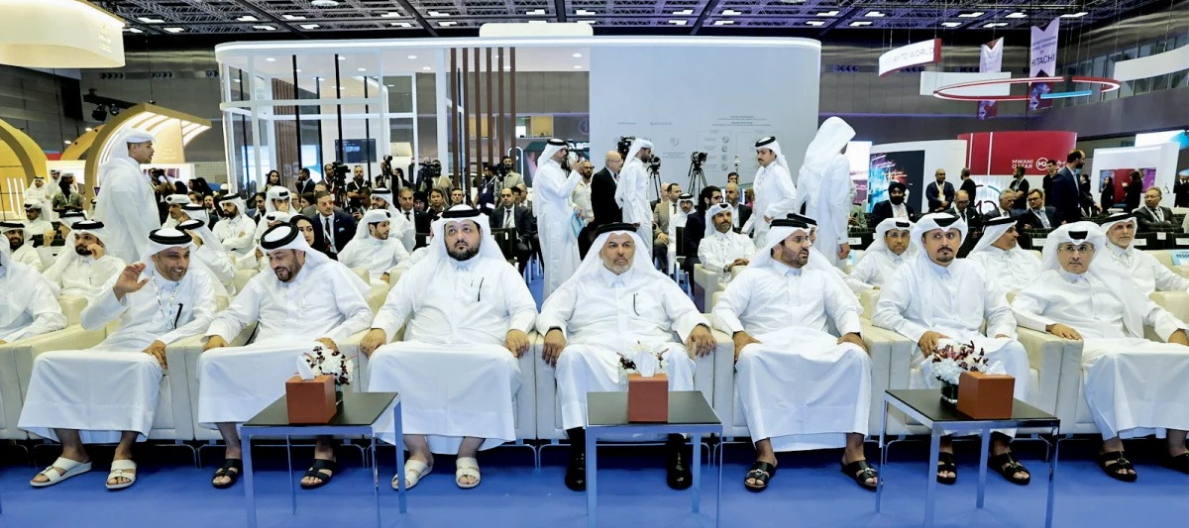

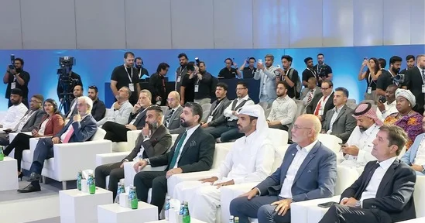
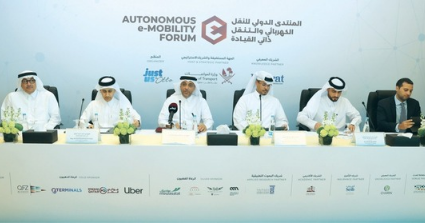
H.E. Mohammed bin Abdullah Al Ibrahim Al Maadeed, Undersecretary of the Ministry of Transport, inaugurated the second edition of the International Forum on Electric Transport and Autonomous Mobility, hosted by the Ministry of Transport and organized by Just Us and Auto Marketing Services. The two-day forum is being held at the Qatar National Convention Centre, bringing together senior officials, industry experts and specialists from across the transport sector.
The opening ceremony was attended by H.E. Ali bin Mohammed bin Ali Al Ali, Undersecretary of the Ministry of Municipality, H.E. Abdulaziz bin Ahmed Al Mahmoud, Undersecretary of the Ministry of Environment and Climate Change, as well as senior representatives from various entities across Qatar’s transport and mobility ecosystem.
In his opening remarks, Al Maadeed said the transport sector is undergoing a major transformation, moving beyond its traditional role as a supporting service sector to become a strategic driver of development, economic competitiveness, operational efficiency and quality of life.
He noted that electric transport and autonomous systems are emerging as key features of the sector’s future. However, this transformation also presents challenges related to energy requirements, digital infrastructure, safety, reliability, regulatory frameworks, national capabilities and technology localization.
According to Al Maadeed, addressing these challenges requires a comprehensive and coordinated approach based on stronger partnerships between governments, the private sector and research institutions.
He highlighted Qatar’s continued efforts to develop a modern and sustainable transport ecosystem, supported by major investments in road networks, the Doha Metro, advanced public transport fleets, ports, airports and integrated logistics zones.
In line with the objectives of the Third National Development Strategy, Qatar is now shifting its focus from infrastructure development to maximizing the use of existing infrastructure through the expansion of electric transport, development of digital infrastructure, implementation of smart transport systems and preparations for the adoption of autonomous vehicles.
Al Maadeed emphasized that the Ministry of Transport is leading this transformation through policies, programs and projects aimed at creating a smart, sustainable and safe transport system driven by data, improved operational efficiency and support for the national economy.
The Ministerial Undersecretary also inaugurated the forum’s accompanying exhibition, featuring more than 20 exhibition spaces showcasing the latest innovations and solutions in autonomous vehicles, electric mobility and smart infrastructure.
The forum features more than 50 keynote addresses and panel discussions across 10 specialized tracks, with the participation of more than 40 regional and international speakers representing government entities, industry, policymakers, academia, technology and research institutions.
This year’s edition also includes a public-focused program providing entrepreneurs, startups, students, young professionals and innovators with opportunities to engage with the mobility sector and present ideas aimed at shaping its future.
Qatar Rail: Doha Metro Has Served More Than 300 Million Passengers
Jassem Al Ansari, Chief Executive Officer of Qatar Railways Company (Qatar Rail), highlighted the importance of the forum as a platform for experts and industry stakeholders to exchange knowledge, discuss emerging solutions and explore opportunities for a more integrated and sustainable transport sector.
He said Qatar Rail has been working closely with the Ministry of Transport to provide passengers with an integrated mobility experience that extends beyond the metro journey itself to include convenient access to and from stations.
In this regard, the MetroLink service provides connections between metro stations and surrounding areas, offering passengers greater flexibility and convenience in reaching their destinations.
Al Ansari stressed that the future of transport depends on greater integration between public transport and smart mobility solutions, including autonomous vehicles and emerging technologies. Such integration can improve system efficiency, enhance accessibility and provide more inclusive and reliable mobility options while supporting smoother traffic flows in cities.
As part of its sustainability efforts, Qatar Rail continues to expand the use of environmentally friendly solutions, including electric buses within the MetroLink fleet, helping reduce emissions and support Qatar’s transition toward a more efficient and sustainable public transport system.
Al Ansari also revealed that Qatar Rail is studying several projects aimed at enhancing the passenger experience, including providing information about available services through AI-powered conversations and introducing smart navigation systems to assist passengers with disabilities inside stations.
He noted that the Doha Metro network has transported more than 300 million passengers since its launch, describing the milestone as a reflection of the network’s strong passenger demand and the public’s growing confidence in the service.
Qatar’s hosting of the forum reinforces the country’s commitment to the objectives of Qatar National Vision 2030, particularly in advancing sustainability and smart and electric mobility solutions to build a more integrated, efficient and sustainable transport ecosystem.
Related news
Fitch expects the expansion of LNG production to drive Qatar’s economic growth into double-digit territory in 2028.
Real estate transactions exceeding QAR 411 million in one week reflect the continued activity of Qatar’s property market.