- Home

- All articles and posts
- Article or Post Details
How to Sell Your Project's Surplus Materials Instead of Discarding or Storing Them
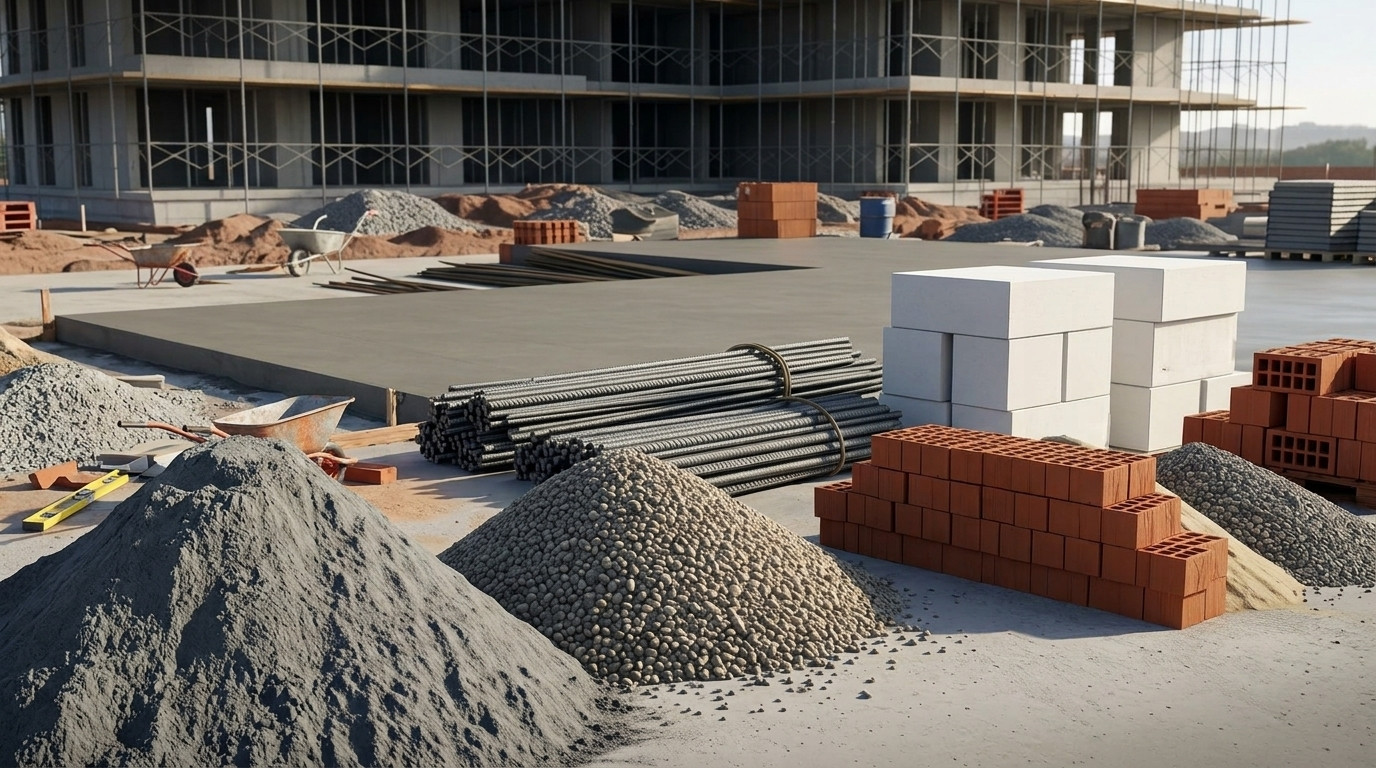

Almost every construction project ends with some leftover quantity of unused materials sitting in the warehouse: extra sheets ordered as a safety margin, a small piece of equipment no longer needed after a design change, or surplus quantities bought in bulk to save on price, only to find the actual need was lower. The question rarely asked seriously: is this surplus an asset worth converting into cash, or a burden quietly costing you money every month without you noticing? Most companies automatically file this question under "later" and then forget it entirely amid the rush of the next project, while the surplus itself keeps silently losing market value with every additional month it sits untouched.
The Real Cost of Holding On to Surplus Instead of Selling It
Every square meter of storage space occupied by surplus material is space that could have been used for something else, or given up entirely to cut rental costs. On top of that, some materials genuinely deteriorate over time — rusting, cracking, or losing their original warranty after a long storage period — meaning their market value drops with every extra month you keep them instead of selling while they're still in good condition. The common decision to "keep it for a future project" often turns into surplus that's completely forgotten once the type or specs of upcoming projects change, and the company discovers a year or more later that the material it carefully kept no longer fits any of its current projects, and that its market value has dropped significantly from what it was at the time of purchase.
Why Does Surplus Pile Up in the First Place?
A large share of this surplus comes from cautious purchasing decisions made in good faith: ordering extra quantity as a hedge against a future supply delay — exactly what we discussed in our article on managing supply chain risk as a legitimate strategy to protect your project from disruption. The problem isn't the principle of keeping a buffer itself; it's the absence of a clear plan for what happens to that buffer if it isn't fully used by the time the project ends. Without a clear disposal plan, smart buffer stock quietly turns into neglected surplus.
Step One: Periodic Inventory Checks — Don't Wait Until the Project Ends
Don't wait until project handover to discover how much surplus has piled up. Scheduling a periodic inventory check every few months uncovers surplus early, while the materials are still in good condition and sellable at a reasonable price, instead of discovering them after months of unplanned storage when their market value has already dropped. This inventory doesn't need a complex system — a simple spreadsheet updated quarterly, showing the remaining quantity of each item and the date of its last movement, is enough to start tracking surplus before it turns into a chronic storage problem.
Step Two: Classify Surplus by Its Actual Current Condition, Not Its Original Purchase Price
A material you bought at a certain price months ago isn't necessarily worth the same today, especially if market prices have shifted or the material has been through less-than-ideal storage conditions. Classify each item by its actual current condition (fully new, near-new, used in good condition) instead of insisting on recovering the original purchase price — that exact insistence is the most common reason surplus sits unsold for far too long.
Step Three: Price It Realistically Based on Clear Criteria, Not a General Feeling
The same comparison logic you'd need when buying applies here in reverse: a potential buyer will compare your price against precise specifications (thickness, condition, quantity). An inflated price driven by attachment to the original value simply means the surplus stays unsold for longer, while realistic pricing based on the material's actual condition speeds up the sale noticeably.
What About Surplus Equipment, Not Just Materials?
The same logic applies to a small or heavy piece of equipment you no longer need after a change in the project plan. If you're considering selling a piece of heavy equipment as part of this surplus, it's worth revisiting the common mistakes made when buying used equipment — this time from the opposite angle: understanding what a buyer is actually looking for (service history, maintenance records, runtime hours) helps you prepare the equipment with the documentation that reassures the buyer and speeds up the sale, instead of listing it with no supporting paperwork at all.
Step Four: Choose a Sales Channel That Reaches an Actual Buyer Within the Same Industry
Advertising specialized surplus (construction materials, construction equipment) on general, non-specialized channels means limited reach to an audience that isn't even looking for this type of product in the first place, no matter how good the photos or how precise the written description. The difference between selling surplus within weeks versus it sitting around for months often comes down to how targeted the listing channel is, not the quality of the material or equipment itself. A buyer specifically looking for construction materials within an industry-specific channel makes a purchase decision far faster than a casual browser on a general channel with no connection to the sector at all.
The Role of Bazaar on the Muqawlat Qatar Platform in Turning Your Surplus Into Real Cash
Instead of letting surplus turn into a forgotten number in the corner of your warehouse, the Bazaar section on the Muqawlat Qatar platform lets you list surplus materials and equipment directly in front of buyers specifically within Qatar's construction and industrial sectors, not a general audience that isn't even looking for this kind of listing in the first place. This closes the gap between deciding "this surplus needs to go" and actually turning it into cash that funds your next project, instead of it remaining a storage cost that keeps accumulating month after month.
Other articles

Marketing construction and industrial services requires precise access to decision-makers rather than broad exposure to an undefined audience. This article outlines five practical steps for building an effective B2B marketing strategy based on audience targeting, proven expertise, measurable results, and trust across the right channels.

Qatar’s construction sector is moving toward more diversified growth, driven by energy and infrastructure projects, economic diversification, maintenance, and emerging technologies. The article explores the key opportunities and challenges for contractors and suppliers, and how the Muqawlat Qatar platform helps them access new tenders and business opportunities.

In construction, not every opportunity comes through open tenders; professional relationships and referrals can unlock projects that are never publicly advertised. This article explores how contractors can build a strong, lasting B2B network and turn it into a valuable source of new opportunities.