- Home

- All articles and posts
- Article or Post Details
Top 5 Mistakes When Buying Used Heavy Equipment in Qatar
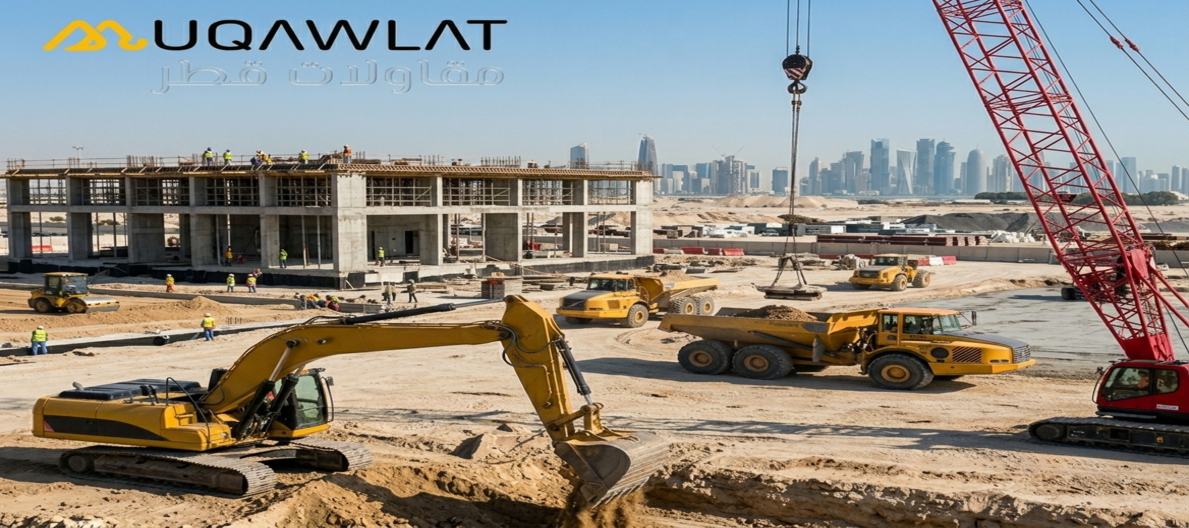

Qatar's construction sector is expanding at a remarkable pace. Recent estimates put the value of the country's construction industry at over $54 billion in 2026, with projections reaching around $67 billion by 2031—driven by major infrastructure projects and North Field expansion works. The sector posted year-on-year growth above 9% in Q3 2025 alone, with the Planning and Statistics Authority (PSA) recording 9.1% growth that quarter, up from 8.7% in Q2 and 4.4% in Q1 of the same year.
That growth is putting direct pressure on demand for heavy equipment, which is exactly why buying used has become a smart move for contractors and project owners looking to cut capital costs without sacrificing operational efficiency. If full ownership isn't the goal, equipment rental is also worth weighing before committing either way.
The real risk isn't buying used — it's buying in a hurry. What looks like savings on paper can turn into a real financial loss within weeks, the moment a machine breaks down mid-project on a schedule with no room for delay and penalty clauses waiting in the wings. The gap between a properly inspected machine and one bought on impulse rarely shows up in the contract itself — it shows up later, in spare parts bills, downtime, and sometimes in delay penalties that outstrip the price of the equipment altogether. Here are the five mistakes buyers in the Qatari market make most often, and how to avoid every one of them before you sign.
1. Skipping the Full Service History and Ownership Record
Every piece of heavy equipment carries an operational history worth digging into before you buy: actual runtime hours, maintenance records, number of previous owners, and whether the machine is under lien or tied up in any legal or commercial dispute. Too much paperwork—and any buyers settle for the seller's word instead of asking for official paperwork—and that's an expensive shortcut on more than one level. Hour meters are relatively easy to tamper with, and an undocumented maintenance history is, for all practical purposes, no history at all if a dispute arises later. Always request original documentation, and verify the equipment's identification number with the manufacturer or authorized dealer before any payment changes hands.
2. Judging Condition by Appearance Alone
Fresh paint and a polished exterior don't guarantee good condition—they can just as easily be covering rust, structural cracks, or prior weld repairs at critical load-bearing points, particularly on cranes, excavators, and heavy lifting equipment. A proper inspection starts with the structure, not the surface: check the chassis for any twist or bend that suggests a past accident or misuse, and examine every weld point around arms, joints, and mounting points. Fresh welding, especially in these areas, usually indicates a prior repair that weakened the original structural integrity — even if the machine looks nearly new from a distance.
3. Overlooking the Engine and Internal Fluids
The engine tells you more about how a machine was actually used than any other component—and it's the most expensive thing to get wrong. Check for oil leaks around gaskets, hoses, and the oil pan, and request lab analysis of engine oil, hydraulic fluid, and transmission fluid samples. Contaminated fluids or abnormal coloring are a direct signal of internal problems that haven't surfaced yet. Starting the engine cold and watching how it behaves—listening for unusual sounds, checking vibration, and watching for smoke—can also reveal faults that end up costing several times the purchase price down the road, especially if a full engine replacement becomes necessary.
4. Buying Before Locking Down Your Project Specs
Another common mistake is entering the market before nailing down what the project actually requires: lifting capacity, engine power, allowable gross weight, and site-specific factors including soil conditions and available maneuvering space. Skipping this step tends to lead to one of two costly outcomes: buying equipment with far more capability than the job needs — tying up capital that could have gone elsewhere in the budget — or buying underpowered equipment that becomes an operational liability instead of a solution, forcing you to rent additional equipment later just to close the gap. Nail down your technical requirements before you start shopping, not during or after, and put them in a single document your procurement team can reference against every quote that comes in.
5. Ignoring Import and Customs Compliance Requirements in Qatar
Buying equipment from outside Qatar carries a regulatory dimension that matters just as much as the technical inspection. Equipment imported into the country is subject to a 5% customs tariff under the GCC Customs Union, along with conformity requirements and official import licensing from the relevant authorities—and additional compliance certificates may be required depending on the equipment type and manufacturer. Overlooking this can mean weeks of delivery delay, unbudgeted fees, or even rejection at the customs clearance point, with the equipment shipped back at the buyer's expense. Make sure the seller or broker can hand over the full set of compliance and clearance documents before you transfer any funds, not after — and confirm they're an officially registered entity capable of issuing a proper invoice.
Quick Checklist Before Signing Any Purchase Contract
Before you pay anything, make sure you have:
Official documentation of runtime hours and maintenance history — not just the seller's word.
A full structural inspection, with particular attention to weld points and areas fresh paint could be hiding.
Lab analysis of fluid samples (engine oil, hydraulic fluid, transmission fluid).
Written technical specifications for your project, finalized before you start looking — not during.
Complete compliance and customs clearance documents before any payment is transferred.
Each of these steps costs you a small amount of extra time now, compared with what skipping it can cost you later.
Protecting Your Investment From the Start
The golden rule is simple: never buy equipment you haven't inspected yourself or through an independent inspector, and never deal with a source that can't clearly document a machine's history and legal standing. In a market growing as fast as Qatar's construction sector is right now, a quick, under-thought decision is usually the first thing to eat into a project's profit margin — no matter how small that decision seemed at the time. The time you "save" by skipping a single inspection step today is usually time you pay back twice over later, in the form of unexpected downtime on site.
Through the Equipment Bazaar on the Muqawlat Qatar platform, you can browse heavy equipment listed directly by sellers and contractors within the local market, with clear information on condition and specifications — without going through hard-to-verify middlemen or complicated external sources. The final call is always yours, but the quality of the options in front of you is what actually determines how safe that call is.
Other articles

Marketing construction and industrial services requires precise access to decision-makers rather than broad exposure to an undefined audience. This article outlines five practical steps for building an effective B2B marketing strategy based on audience targeting, proven expertise, measurable results, and trust across the right channels.

Qatar’s construction sector is moving toward more diversified growth, driven by energy and infrastructure projects, economic diversification, maintenance, and emerging technologies. The article explores the key opportunities and challenges for contractors and suppliers, and how the Muqawlat Qatar platform helps them access new tenders and business opportunities.

In construction, not every opportunity comes through open tenders; professional relationships and referrals can unlock projects that are never publicly advertised. This article explores how contractors can build a strong, lasting B2B network and turn it into a valuable source of new opportunities.