
- Home

- All articles and posts
- Article or Post Details
The Future of Qatar's Construction Sector After 2030 | Numbers and Forecasts
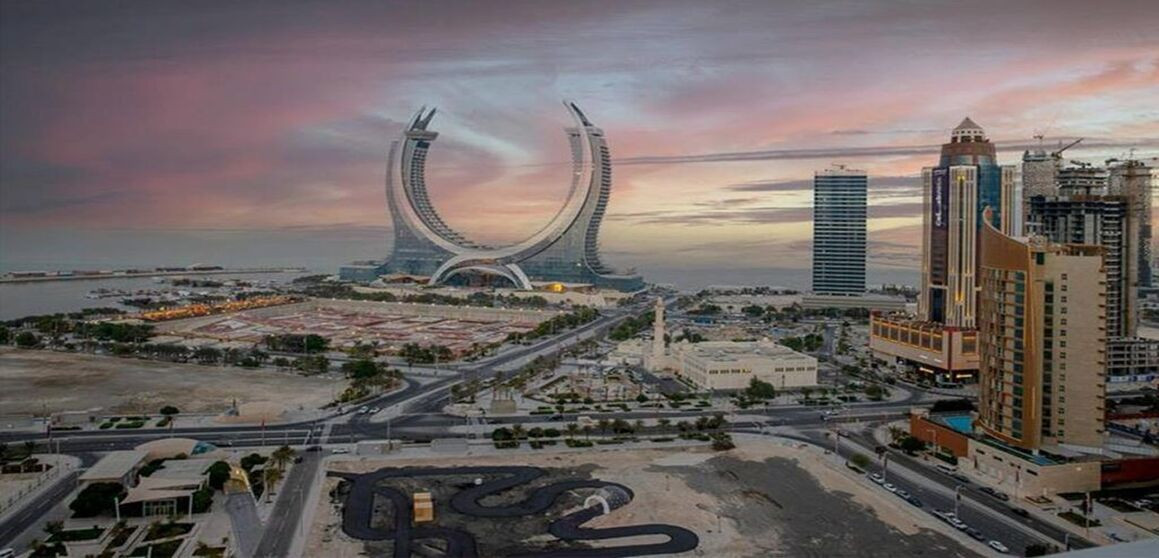

Qatar's construction sector is entering a new phase, having wrapped up most of its commitments tied to hosting the 2022 World Cup, and is now moving into a longer-horizon phase tied to delivering Qatar National Vision 2030 and beyond. The difference between this phase and the previous one is fundamental: instead of growth driven by a single, clear deadline, growth is now spread across multiple, simultaneous tracks — energy, transport, economic diversification, and maintaining existing infrastructure — which makes reading actual trends more complex, but also creates more diverse opportunities for those who understand exactly where they're concentrated. This report brings together the key documented numbers and trends on the direction the sector is heading, and what that means in practice for everyone working within it.
The core numbers
Market Size: Qatar's construction market is estimated at roughly $54.5 billion in 2026, with projections reaching around $66.7 billion by 2031.
Projected Growth Rate: An average annual growth rate of around 4.1% through 2031, with a projected annual growth rate reaching 4.5% specifically in the 2027–2030 period.
Capital Budget: The 2026 budget allocated around QAR 62.8 billion for major capital projects (infrastructure, transport, development projects), a 5.7% increase over 2025.
Economic Diversification Target: Qatar aims to reduce the oil and gas sector's contribution to GDP to 30% by 2030, meaning non-oil sectors — including construction and industry — will rise to 70%.
The Commercial Segment Specifically: Growing faster than the market's overall rate, with a compound annual growth rate of around 7.6%, driven by office, retail, and hospitality projects in areas like Doha and Lusail.
Key growth drivers beyond 2030
The continued growth of Qatar's construction sector beyond 2030 doesn't rest on a single driver but on a mix of simultaneous factors. Energy and LNG investments remain a core driver, with ongoing North Field expansion projects and the supporting industrial infrastructure tied to them, requiring specialized contractors and suppliers for years to come. Transport and infrastructure projects—including road networks, public utilities, and water and sewage networks—continue to attract a large, ongoing share of government capital spending, not a seasonal one.
Public-private partnerships (PPPs) have become a formally adopted framework, opening the door to private sector financing and participation in projects that were traditionally reserved for direct government funding — a shift like opportunities available to private companies themselves. On top of the funding—a growing demand for renovating and maintaining the infrastructure built for the 2022 World Cup, which is now entering a long-term operational phase requiring ongoing maintenance and investment no less financially significant than the original construction itself.
Finally, the adoption of modular construction techniques and digital twin technology, backed by national AI policies and a digital agenda, is gradually changing how major projects in the country are planned and executed—a trend expected to expand further with every new project.
A risk factor worth watching
Any balanced report on the sector's future needs to mention risk factors alongside growth opportunities. Regional geopolitical tensions that could affect LNG export routes represent a real risk factor worth ongoing monitoring, given that Qatar is one of the world's largest LNG exporters, and any disruption to export routes could feed through to the revenues allocated for public infrastructure investment. This doesn't mean an inevitable slowdown in the sector, but it does mean long-term planning needs to account for multiple scenarios, not a single, fully guaranteed linear growth scenario.
What does this mean in practice for contractors and suppliers?
These numbers aren't just general statistics—they're practical indicators of where commercial efforts should concentrate over the coming years. Faster growth in the commercial segment means more opportunities in office, retail, and hospitality projects, not just the large-scale infrastructure projects that captured most attention in the previous phase. The expanding PPP framework also means companies capable of structuring proposals to fit co-financing models, instead of relying entirely on direct government funding as was previously the norm, will find opportunities that weren't as readily available before. And rising demand for maintaining and renovating World Cup facilities opens up an entire line of work completely different from new-build construction, requiring different specializations and skills—facility management, routine maintenance, and technical upgrades for existing facilities—that need to be prepared for early, rather than waiting for this market to become obvious and crowded with competitors later.
Muqawlat Qatar platform's role in helping you keep up with this growth
Numbers and forecasts are useful as a general framework, but the real value lies in the ability to spot the actual opportunities tied to this growth the moment they appear, not after they've become obvious to everyone and crowded with competitors.
Through the Tenders section on Muqawlat Qatar platform, you can track government and private projects and opportunities tied to this expansion in one place as soon as they're published, instead of relying on scattered sources or waiting for the news to spread after the best window to apply has already passed. This kind of direct digital opportunity tracking reflects part of the broader shift underway across Qatar's construction and industrial sectors toward accessing information and opportunity in a timely way, not after the fact.
Read more about:
Guide to Winning Government Tenders in Qatar
How to Build Effective B2B Relationships in Construction
Other articles
Construction projects in Qatar exceed their budgets due to design changes, unforeseen site conditions, rising material costs, and delays. Discover the key drivers of cost overruns and how better planning, risk management, and cost control can help protect project budgets.
Surplus construction materials and equipment do not have to become a storage cost or lose their value over time; regular inventory checks, proper classification, and realistic pricing can turn them into cash. This article outlines practical steps to sell surplus items and reach relevant buyers across Qatar’s construction and industrial sectors.

Marketing construction and industrial services requires precise access to decision-makers rather than broad exposure to an undefined audience. This article outlines five practical steps for building an effective B2B marketing strategy based on audience targeting, proven expertise, measurable results, and trust across the right channels.

In construction, not every opportunity comes through open tenders; professional relationships and referrals can unlock projects that are never publicly advertised. This article explores how contractors can build a strong, lasting B2B network and turn it into a valuable source of new opportunities.