Qatar’s real estate sector records strong performance in Q1 2026
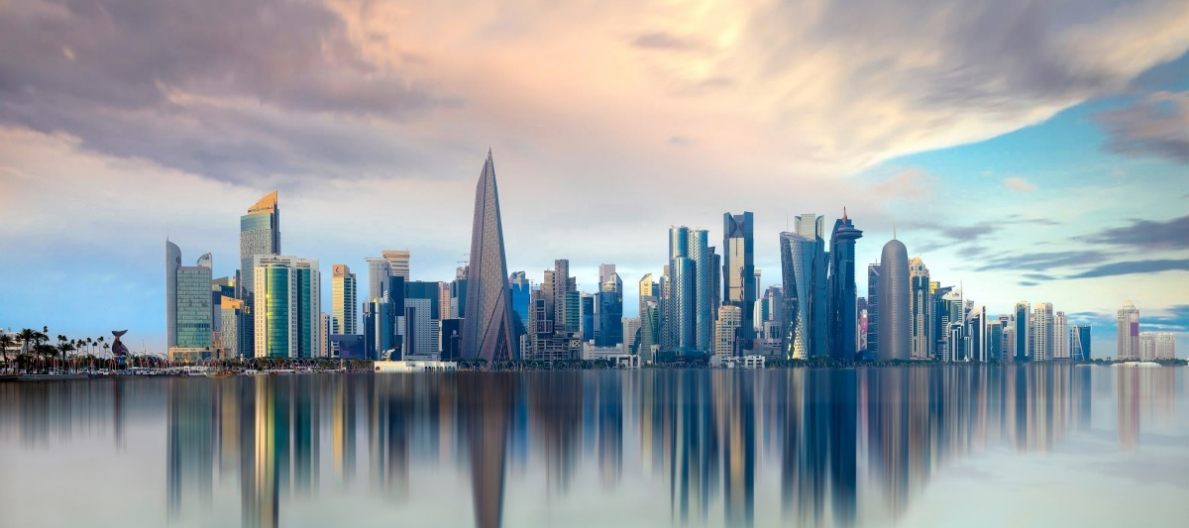

According to Middle East Economy, the real estate sector in Qatar recorded strong performance in the first quarter of 2026, reflecting a clear market recovery and sustained activity at its highest levels in years.
The report noted that the market remained stable in late April, with total transactions reaching approximately QAR 438 million, indicating continued resilience despite a slight decline compared to the previous week, when transactions exceeded QAR 465 million. This suggests that market activity is returning to normal levels following strong performance in mid-April.
Doha, Al Rayyan, and Al Wakrah witnessed notable activity. Real estate transactions registered with the Ministry of Justice amounted to approximately QAR 398.6 million during the period from April 19 to 23, 2026.
Meanwhile, the total value of residential unit sales during the same period reached around QAR 39.8 million. The weekly bulletin issued by the Ministry of Justice showed that transactions included a diverse mix of asset types, such as vacant land, residential properties, retail shops, and mixed-use buildings, reflecting balanced demand from both investors and end-users.
Sales were concentrated in several municipalities, including Doha, Al Rayyan, Al Wakrah, Umm Salal, Al Khor and Al Thakhira, and Al Shamal, as well as key areas such as The Pearl Island, Lusail 69, Al Kharayej, Al Wakir, Al Dafna 60, Leqtaifiya, and Al Gharrafa.
On an annual basis, the total value of real estate transactions reached approximately QAR 9.2 billion in the first quarter of 2026, compared to QAR 7.2 billion in the same period of 2025, marking a year-on-year growth rate of 28.5%.
The data also showed that the rental market in Qatar continues to record positive and growing performance, supported by increased activity and sustained demand. The number of lease contracts in 2025 exceeded those recorded in 2024 across all quarters, reflecting a broad improvement in rental market activity and overall sector stability.
Related news
Infrastructure and citizen land development are driving a strong real estate market rebound in northern Qatar.
Owning property in Qatar not only grants ownership, but also unlocks residency and healthcare and education benefits for you and your family.