
The International Energy Agency has signaled the possibility of releasing additional emergency oil reserves into the market if supply disruptions persist due to the ongoing conflict in the Gulf and shipping disruptions in the Strait of Hormuz.
The agency’s Executive Director, Fatih Birol, stated that its 32 member countries may resort to further stock releases after already injecting around 400 million barrels from strategic reserves last week in an effort to stabilize markets and curb rising prices.
Birol explained that the released volumes acted as a “temporary buffer” that helped slow the pace of price increases, while emphasizing that remaining reserves are still substantial.
He added that member countries continue to hold significant запасes, with access to approximately 1.4 billion additional barrels from strategic and industry stocks if needed.
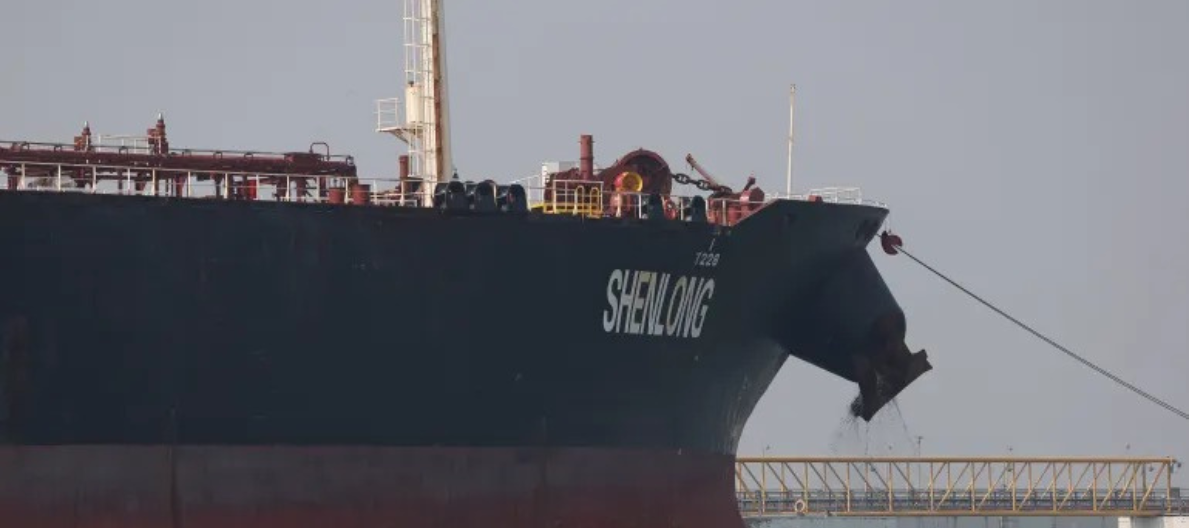
Birol stressed that stability in energy markets is closely tied to the resumption of oil tanker traffic through the Strait of Hormuz, describing the reopening of this vital maritime route as the most critical factor in restoring normal oil and gas flows.
Prior to the escalation involving Iran, global oil demand stood at around 101 million barrels per day, according to the agency’s data.
Meanwhile, Brent crude prices are currently trading above $100 per barrel, driven by concerns over continued supply disruptions in the Gulf region, through which a significant share of global energy trade passes.
Related news

The contract spans 66 months to provide specialized equipment and services supporting onshore and offshore drilling operations for Qatar Energy.

Al-Kaabi stressed Qatar’s commitment to strengthening long-term cooperation with the European Union to ensure the stability and security of global energy supplies.