The financial sector is the primary beneficiary of Qatar’s gas expansion
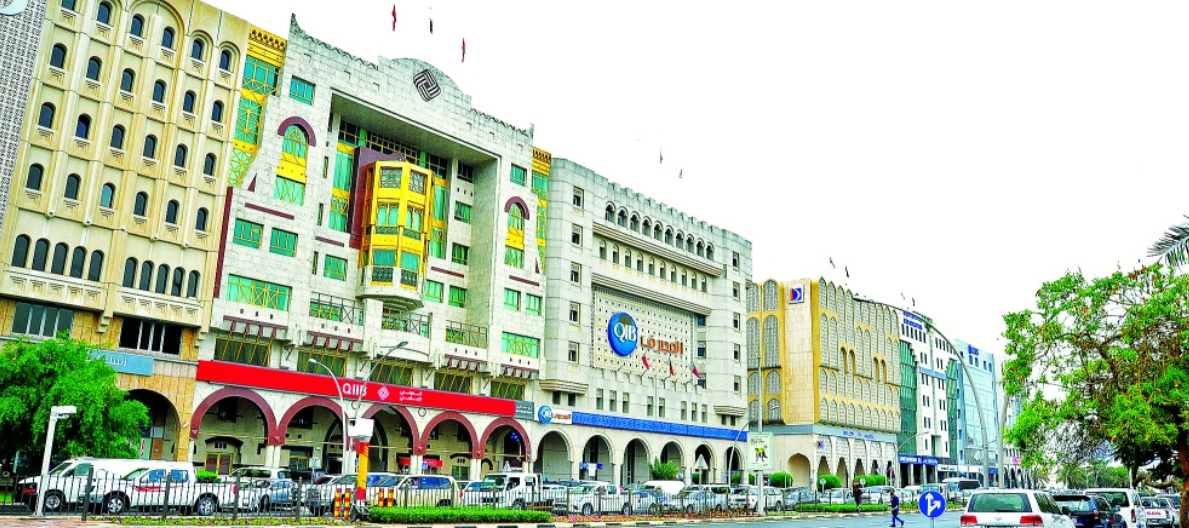

Global Finance magazine has confirmed that Qatar’s financial sector will be the primary beneficiary of the country’s expansion in liquefied natural gas (LNG) production, particularly through the North Field Expansion, which will increase production capacity from 77 million tons to 142 million tons per year, ushering in a new phase of economic resilience and diversification.
According to the report, Qatari banks are expected to be among the first sectors to benefit from this transformation, supported by increased financial allocations, improved credit growth, and lower financing costs following interest rate cuts. Private sector credit is projected to grow by 5–6% in 2025, alongside higher banking transactions and enhanced digital capabilities.
The report noted that Qatar’s banks—already among the largest in the region—will see stronger returns from rising LNG exports, reinforcing asset growth and liquidity management amid global market shifts. Qatar National Bank (QNB) was highlighted as the largest bank in the Middle East and North Africa, with assets exceeding $357 billion and a domestic market share of around 30%.
It added that total banking assets in Qatar surpassed $580 billion in July, marking a 6.5% year-on-year increase, reflecting the sector’s strong position, ongoing innovation, and readiness to finance capital-intensive energy projects while maintaining diversified portfolios.
The report emphasized that the North Field expansion is one of the world’s largest energy projects, expected to drive record infrastructure investment and boost GDP growth to over 5% starting next year, while generating sustained investment flows into related sectors such as shipping, logistics, engineering, construction, and supply chain management.
The first phase of the North Field East project is expected to become operational by mid-2026, with the launch of mega LNG trains. With a significant portion of new production not yet contracted, QatarEnergy will have strategic flexibility in shaping global LNG markets, particularly across Asia.
Related news
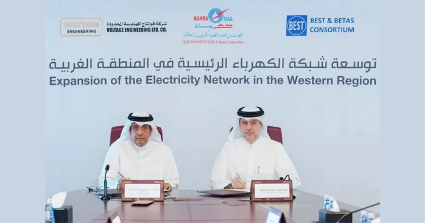
Investments exceeding QAR 2.2 billion are enhancing the power grid’s readiness to integrate renewable energy projects and ensure stable electricity supplies.
The new Venture Capital feature provides startups with direct access to funding, expertise, and investment networks.